
Orthopaedic Specialities & Digital X-Ray Services
Care for joint problems, spine conditions, fractures and limb reconstruction needs—with a clear discussion of your diagnosis, treatment choices and next steps.
Explore our surgical specialities and consult Dr. Arvind Kumar about the approach appropriate for your condition.

A Clearer Understanding of Your Orthopaedic Treatment
Pain, stiffness, injury or a change in movement can affect daily activities, work and independence. An orthopaedic consultation helps establish what needs further assessment and which treatment options should be considered.
At your appointment, explain your symptoms, how long they have been present and how they affect your routine. Bring previous reports so that your concerns and treatment history can be discussed together.
The specialities below describe the areas of care available. The exact procedure and treatment plan are decided after an individual assessment.
Understand the Diagnosis
Discuss your examination findings and what your reports mean for your condition.
Explore Treatment Choices
Ask about suitable options, the reasons for a recommendation and the alternatives available.
Plan the Next Steps
Clarify investigations, preparation, follow-up and the support you may need during treatment.
Orthopaedic Surgery & Diagnostic Support
Learn about each service and the questions you can discuss during your consultation.
Arthroplasty
Assessment and surgical planning for joint replacement.
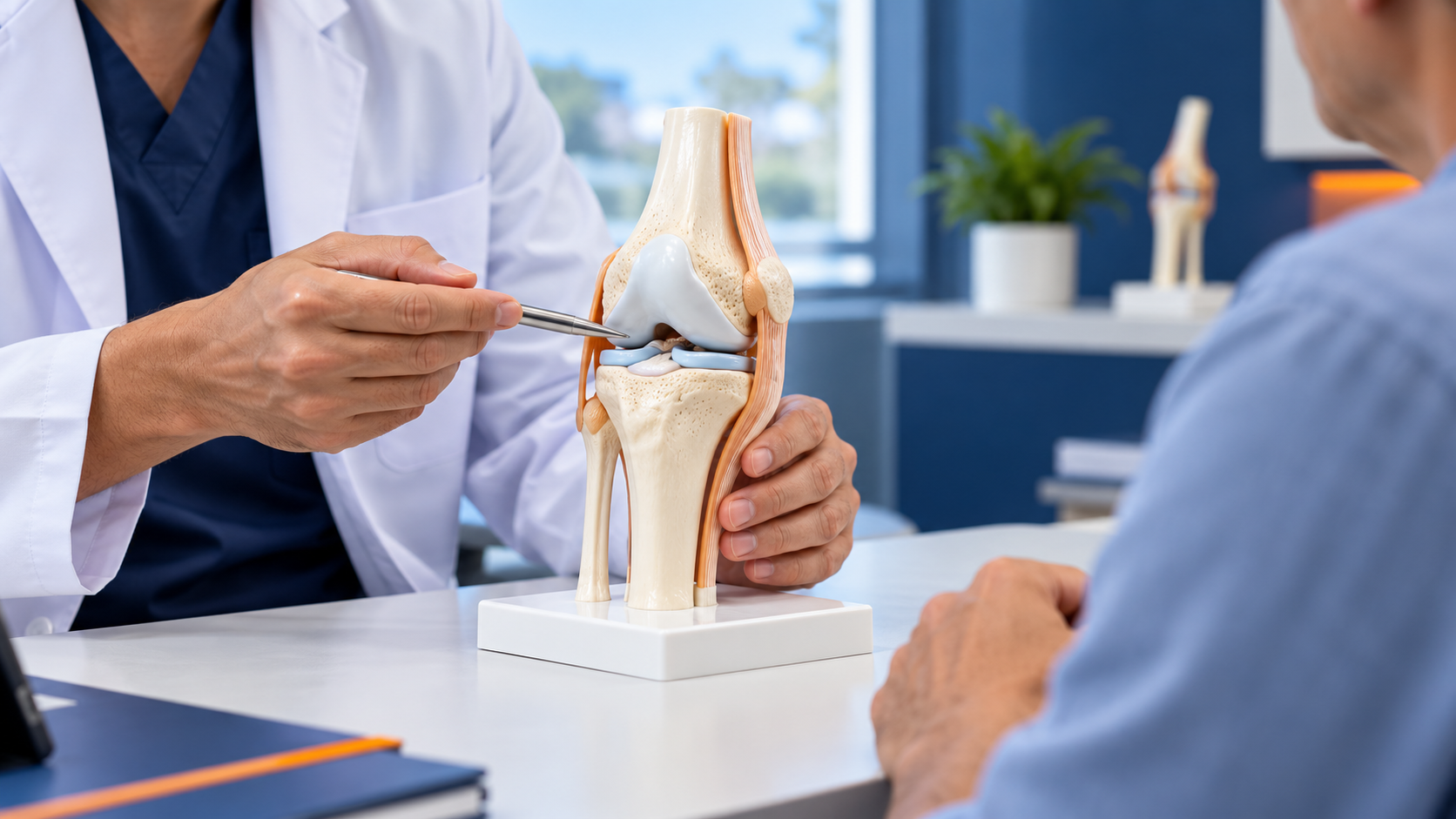
Our arthroplasty service provides a consultation pathway for patients considering joint replacement. The discussion focuses on the affected joint, existing treatment, movement difficulties and the activities that matter most to you.
An individual assessment helps determine whether joint replacement should be considered and what further preparation or investigations may be needed.
Topics to Discuss
- Joint pain, stiffness and daily activity limitations.
- Previous treatment and your response to it.
- Your expectations from joint replacement.
Questions for Your Surgeon
- Which treatment options are appropriate for me?
- What would the proposed operation involve?
- What rehabilitation and follow-up would I need?
Arthroscopy
Consultation for arthroscopic treatment of suitable joint conditions.
The arthroscopy consultation focuses on the joint involved, your symptoms, any injury history and relevant imaging. It provides an opportunity to discuss whether an arthroscopic procedure is appropriate for the problem identified.
Your treatment discussion should also cover the intended procedure, alternative approaches and the plan for returning to everyday activities.
Information to Share
- How and when your joint symptoms began.
- Any previous injury, surgery or treatment.
- Your work, exercise and activity requirements.
Consultation Questions
- What is the exact joint problem?
- Is arthroscopy suitable for this condition?
- What restrictions and follow-up should I expect?
Spine Surgery
Evaluation and discussion of surgical options for spine-related conditions.
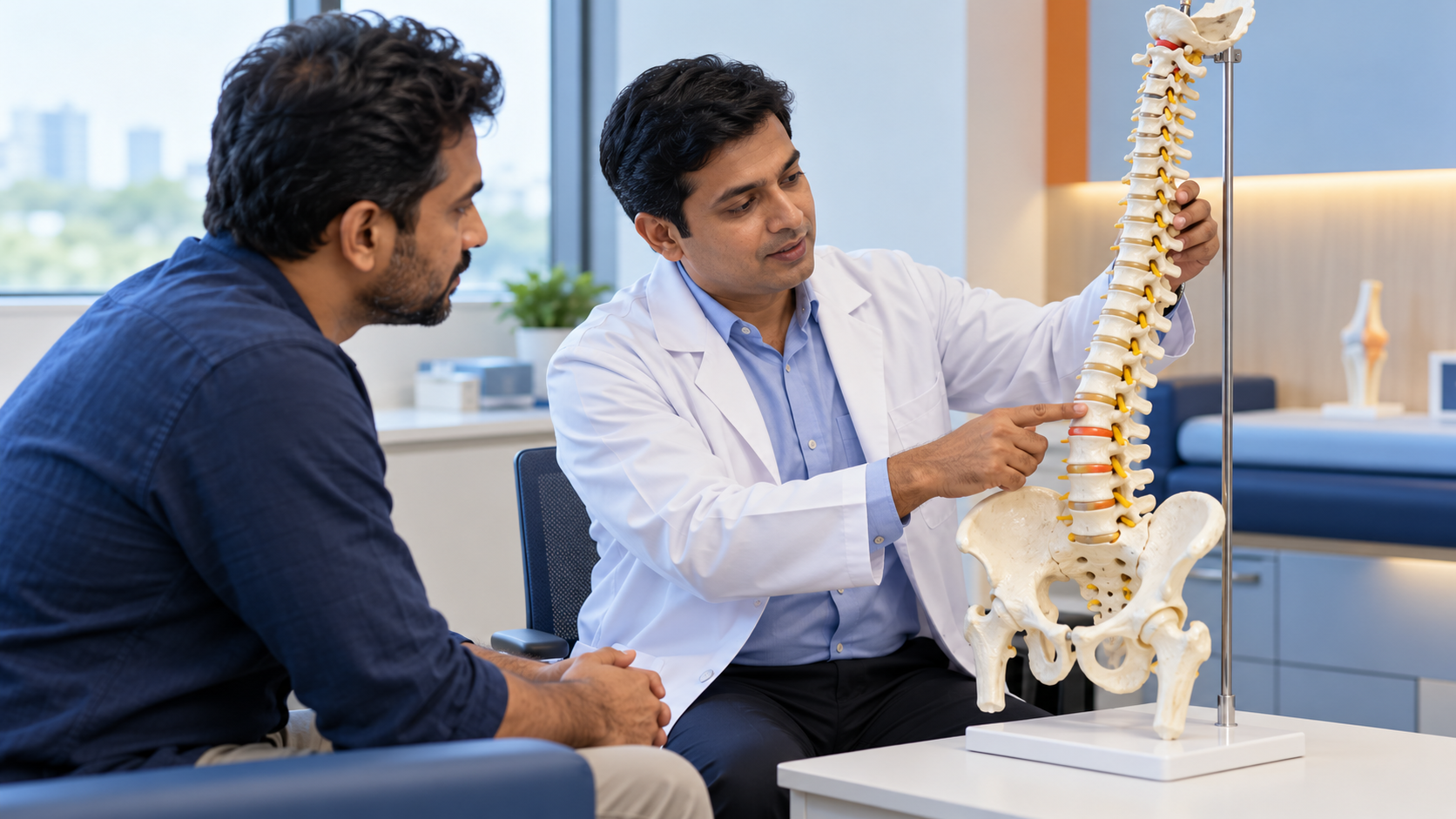
Our spine surgery consultation offers an opportunity to discuss an identified spine condition, review previous treatment and understand whether further assessment or surgical planning is appropriate.
Bring existing scans, reports and prescriptions. Explain how your symptoms affect movement, sleep, work and everyday activities so these concerns can be included in the discussion.
Assessment Discussion
- Your symptoms and their progression.
- Previous consultations and investigations.
- Current medication and treatment history.
Treatment Planning
- Whether surgery is being recommended and why.
- The proposed procedure and alternatives.
- Preparation, recovery and follow-up arrangements.
MIPPO Surgery
Minimally Invasive Percutaneous Plate Osteosynthesis.
MIPPO is a fracture-fixation approach that may be discussed as part of your surgical treatment plan. Consultation focuses on the fracture, the proposed fixation method and whether this approach is appropriate for your injury.
Ask your surgeon to explain the planned procedure in relation to your X-rays and other findings, including the instructions you will need to follow after surgery.
What to Bring
- Available fracture X-rays and reports.
- Details of initial treatment or previous surgery.
- Current prescriptions and medical records.
What to Clarify
- Why this fixation method is being considered.
- Movement and weight-bearing instructions.
- Wound care and follow-up appointments.
Buttonhole Surgery
Understand the exact procedure recommended for your condition.
If you have been advised to undergo “buttonhole surgery,” book a consultation to clarify the exact operation, the condition it is intended to address and the treatment plan.
Bring the referral or prescription where this term has been used. This helps ensure that your enquiry is matched to the intended procedure before treatment is arranged.
Clarify the Procedure
- The full medical name of the proposed surgery.
- The body part and condition being treated.
- The purpose of the recommended operation.
Discuss Your Care
- Suitability and alternative treatment options.
- Preparation and admission requirements.
- Aftercare, activity guidance and follow-up.
Deformity Correction
Assessment and planning for bone and limb alignment concerns.
Deformity correction consultations focus on the alignment concern, its history and how it affects your movement or daily activities. Previous injuries, procedures and existing imaging are useful parts of this assessment.
The treatment discussion provides an opportunity to understand the proposed correction, its intended goals and the practical requirements of the treatment process.
Assessment Topics
- When the alignment concern first developed.
- Changes in walking, movement or daily function.
- Previous fractures, treatment or operations.
Planning Questions
- What correction is being proposed?
- What stages would treatment involve?
- What support and follow-up would be required?
Limb Lengthening
Evaluation of limb-length concerns and discussion of correction options.
A limb lengthening consultation helps you discuss an existing limb-length difference, previous assessments and your treatment goals. An individual evaluation is needed before deciding whether a lengthening procedure should be considered.
Use the consultation to understand the full treatment commitment, including the proposed stages, monitoring, rehabilitation and arrangements for regular review.
Discuss Your Situation
- Existing measurements, scans or specialist reports.
- Previous injuries or limb surgery.
- Your mobility concerns and practical goals.
Understand the Plan
- Suitability and available alternatives.
- The proposed method and treatment stages.
- Review visits, rehabilitation and home support.
Complex Trauma Surgery
Surgical assessment and planning for complex orthopaedic injuries.
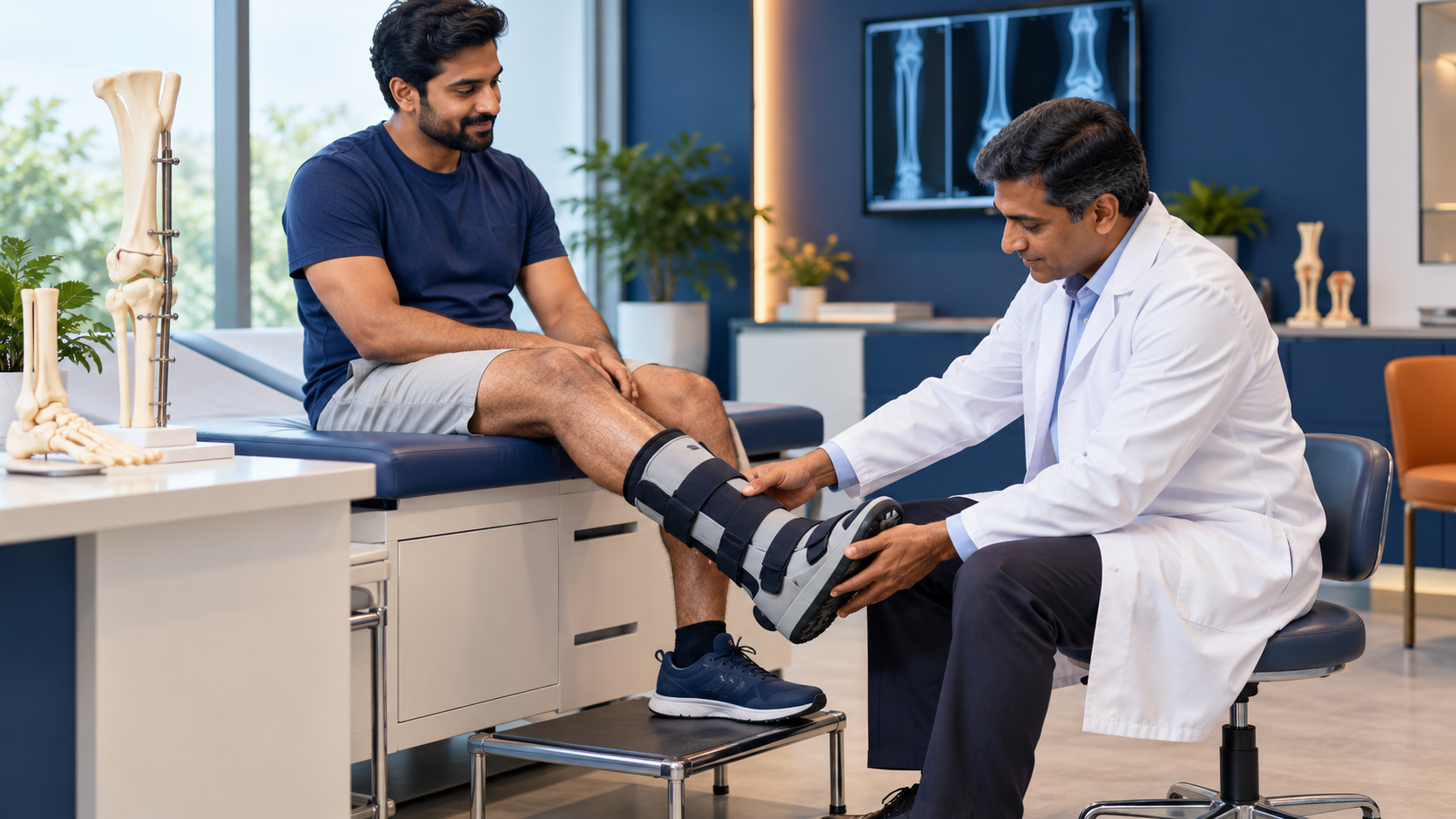
Our complex trauma surgery service concerns the assessment and surgical management planning of complex fractures and orthopaedic injuries. Existing treatment records help establish the injury history and care already received.
For patients seeking further consultation after initial treatment, bring available imaging, discharge summaries, operation notes and current prescriptions.
Records for Review
- Injury details and initial treatment records.
- Available X-rays, scans and reports.
- Previous surgery and discharge documents.
Care Planning
- The proposed surgical approach or next stage.
- Instructions for movement and daily activities.
- Follow-up and rehabilitation arrangements.
Advanced Digital X-Ray
Digital X-ray services for prescribed orthopaedic investigations.
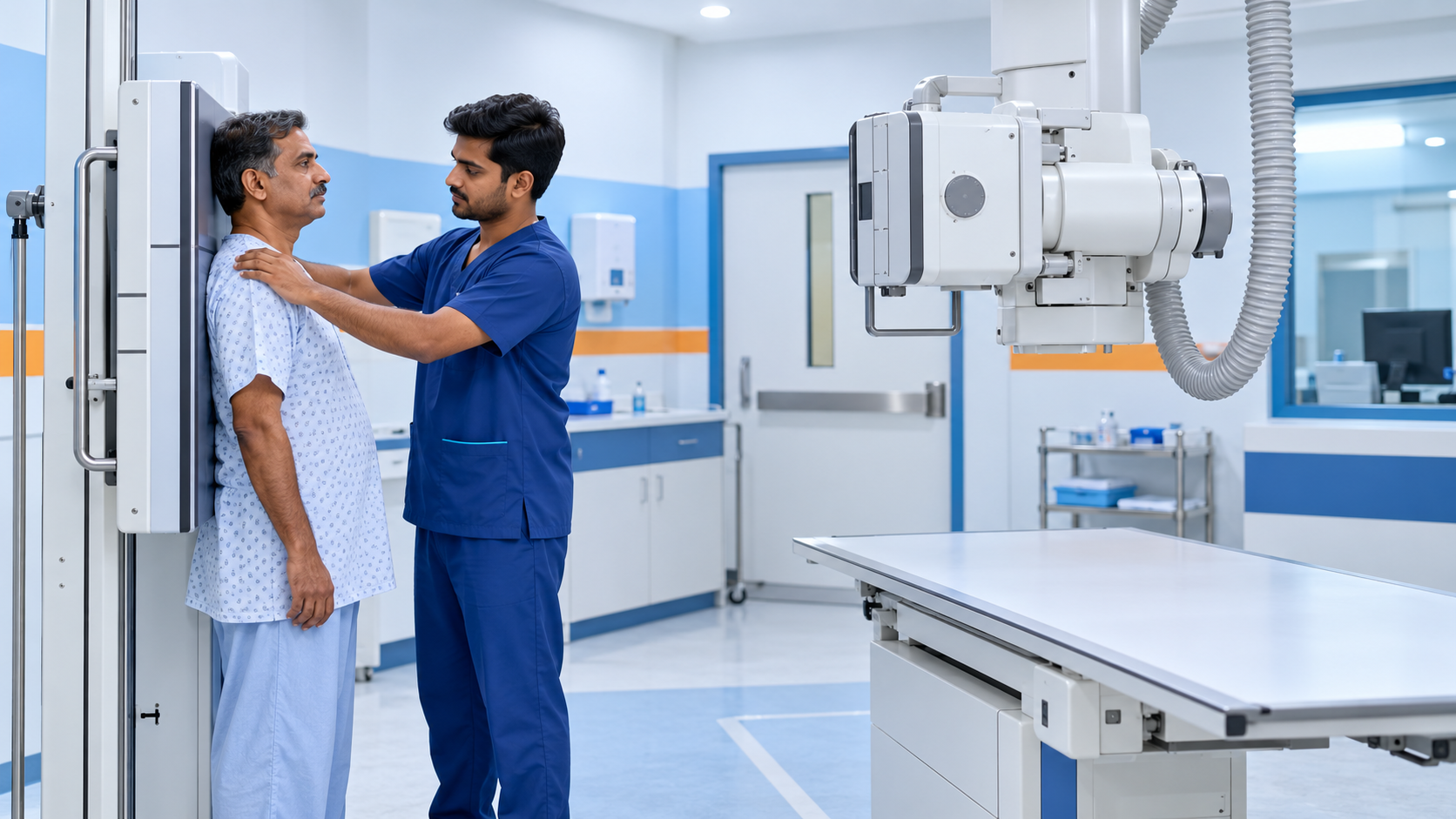
Digital X-ray imaging is available as part of the hospital’s diagnostic services. Contact the hospital to confirm your prescribed examination, service timing and any instructions before visiting.
Bring your imaging prescription and earlier related reports or images. Ask how your images and report will be provided and when to arrange a consultation to review the findings.
Before Your Visit
- Keep the imaging prescription available.
- Bring previous related images and reports.
- Confirm the required examination with the hospital.
Service Enquiries
- Availability and examination timing.
- Charges for the prescribed imaging.
- Image collection and report arrangements.
Your Consultation, Step by Step
A little preparation can help you make the most of your appointment and leave with a clearer understanding of next steps.
Contact the Hospital
Call or send an appointment enquiry. Confirm the consultation timing and any documents you should bring.
Share Your Concerns
Explain your symptoms, treatment history and the activities that have become difficult.
Discuss the Options
Review the findings and ask about the recommended approach, alternatives and any further assessment.
Confirm Your Next Steps
Clarify preparation, follow-up appointments and the instructions relevant to your treatment plan.
Prepare for Your Appointment
Documents & Details to Bring
- Previous X-rays, scans and investigation reports.
- Prescriptions and a list of current medicines.
- Earlier discharge summaries or operation records.
- Details of previous treatment and its effect.
- A brief note of your symptoms and when they began.
- Your main questions and treatment concerns.
Questions Worth Asking
- What is the diagnosis, and is more testing needed?
- Which treatment options are suitable for me?
- Why is this particular procedure recommended?
- What benefits, limitations and risks should I understand?
- What help might I need at home during recovery?
- What are the estimated costs and follow-up requirements?
Specialities & Appointment FAQs
Which specialities are available at the hospital?
The listed services include arthroplasty, arthroscopy, spine surgery, MIPPO surgery, buttonhole surgery, deformity correction, limb lengthening, complex trauma surgery and advanced digital X-ray. Contact the hospital to discuss your specific enquiry.
How do I arrange an appointment with Dr. Arvind Kumar?
Call +91 96872 00451 or use the WhatsApp enquiry button. Share your name, the service you are enquiring about and your preferred appointment day. Confirm the appointment with the hospital before visiting.
What if I do not know which speciality I need?
Contact the hospital and briefly describe your concern. You can request an orthopaedic consultation without choosing a surgical procedure yourself.
Can I bring reports from another hospital?
Bring your available reports, images, prescriptions and discharge summaries to the consultation. These provide background for discussing your previous assessment and treatment.
How can I enquire about the cost of surgery?
Ask the hospital for an estimate for the procedure recommended after your assessment. Request a clear explanation of what is included, potential additional charges and follow-up costs.
How do I confirm digital X-ray availability?
Call the hospital with your imaging prescription available. Confirm the examination requested, service timing, applicable charges and image or report collection details.
What should I ask about buttonhole surgery?
Ask for the full medical name of the intended operation and how it relates to your condition. Bring the prescription or referral where the term was used so the exact procedure can be clarified.
Where is Aarvi Orthopaedic Hospital located?
The hospital is at 9, Pancham Icon, Opposite Aajwa Water Tank, Beside BOB, Sardar Estate, Sayaji Park Society, Vadodara, Gujarat – 390019.
Speak to Us About Your Orthopaedic Care
Arrange a consultation with Dr. Arvind Kumar or contact the hospital for information about our specialities and digital X-ray service.
Please confirm appointment timings and service availability with the hospital before your visit.
Aarvi Orthopaedic Hospital
9, Pancham Icon,Opposite Aajwa Water Tank, Beside BOB,
Sardar Estate, Sayaji Park Society,
Vadodara, Gujarat – 390019.
Phone: +91 96872 00451